With experience from more than 900 completed AI dubbing projects, we help your existing videos work naturally, clearly and in publish-ready quality in new languages.
About Us
Why make your videos multilingual?
- One existing video can be turned into multiple language versions
- You do not need to start a separate channel for every language
- International viewers can access your content in their own language - Older videos can be reused in new markets
- It becomes easier to test which country or language responds best to your content
- Multi-language audio tracks can help increase international watch time
- Translated titles, descriptions and subtitles can improve discoverability
About Us
Why is it different from YouTube’s automatic AI dubbing?
YouTube’s built-in AI dubbing can be a good starting point if you want to make your videos accessible in other languages quickly. Dubella, however, is not an automatic platform feature that simply runs in the background.
It is a separately prepared, checked and quality-focused localization process. The difference is control and quality. With Dubella, the process is not just about translating the speech and generating a foreign-language audio track. We build the workflow in a way that helps the final result become genuinely usable: clear, natural, well-timed and aligned with the style of the video.
YouTube’s automatic solution is mainly useful for quick accessibility.
Dubella is the stronger choice when it matters that the dubbing does not just “exist”, but is high-quality, publish-ready and fits the tone of your channel.
What does Dubella offer beyond automatic dubbing?
– Not a fully automatic, unchecked process
– More attention to natural-sounding translation
– The text is not only translated, but localized
– The voice is adjusted to the rhythm and mood of the video
– The final result is prepared as publish-ready material
– Titles, descriptions, subtitles and YouTube upload materials can also be prepared on request
– We can also help with multilingual content strategy The goal is not to place a machine translation over the video, but to make the viewer feel that the content works naturally in their own language.
This is especially important for YouTube channels, educational videos, documentary-style content, brand videos and any material where tone, credibility and viewer experience matter.
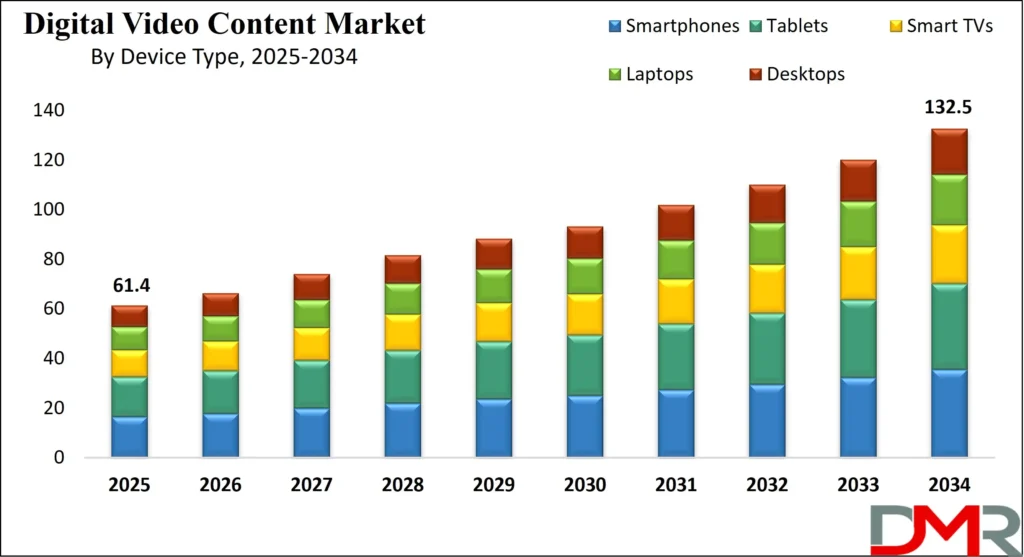
More languages, greater reach
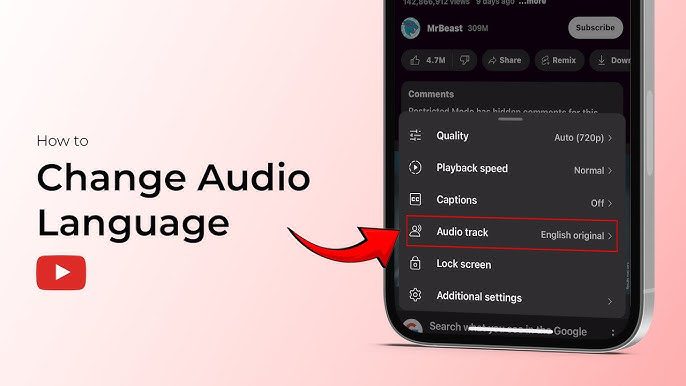
YouTube already makes it possible to add multi-language audio tracks, translated titles, descriptions and subtitles to a single video.
This means you do not need to create a separate channel for every language: your existing videos can become available in multiple languages within the same channel. According to YouTube’s own data, creators who use multi-language audio tracks can receive a significant part of their watch time from viewers who watch in a language different from the original language of the video.
This is not a guaranteed result for every channel, but it clearly shows that multilingual content offers real growth potential.
Dubella helps with exactly that: instead of creating new content for every market, your existing videos can be turned into new language versions.
This means that a video that already works well can reach not only one audience, but also English, Spanish, Italian, Czech, Slovak or Romanian viewers.
This can be especially useful for channels where the content is not only relevant to a local audience: documentary-style videos, educational content, fishing, nature, cooking, travel, tech or storytelling-based videos.
How it works?
Video processing
You send us the video or YouTube link. Dubella processes the speech, prepares the text and checks how the material can be turned into a high-quality dubbed version.
Translation and AI Dubbing
The goal is for the video not to feel like a translation, but to work naturally in the new language as well. We adjust the text, voice and timing so the result is clear, easy to follow and aligned with the style of the content.
Final delivery
At the end, you receive a publish-ready video or a separate audio track. This makes the same content usable in multiple languages on YouTube, social media or as educational material.